Hub
Espresso machines
Match machine class to milk habits and grinder budget.
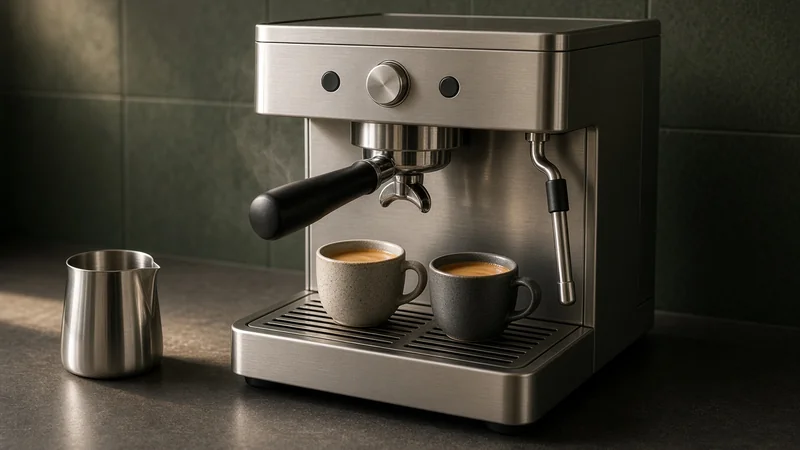
Espresso machines look similar until you read boiler type, portafilter size and whether milk steaming shares the same heating path as brewing. Single-boiler and thermoblock machines are compact and force a wait between shots and steam. Heat-exchanger and dual-boiler designs keep steam ready for milk drinks at the cost of size, power draw and price band.
Guides in this hub explain machine classes, beginner setups that do not starve the grinder budget, super-automatics, dial-in loops using dose and yield, and descaling or backflushing on the maker’s schedule. Semi-automatics still need an espresso-capable grinder sitting beside them — or a built-in grinder with honest fine control.
Start with how often you steam milk and how much technique you want. Push-button households may prefer super-autos or capsules; enthusiasts who enjoy dial-in should budget for burrs before chrome. Use the beginner espresso setup guide before buying a machine in isolation.
Cleaning is part of ownership: hard water scales thermoblocks, milk wands sour if left wet, and three-way-valve machines that support backflushing need that routine. Skip vinegar when the maker forbids it.
Open the brew matcher See tiers
Guides in this hub
 Buying guide
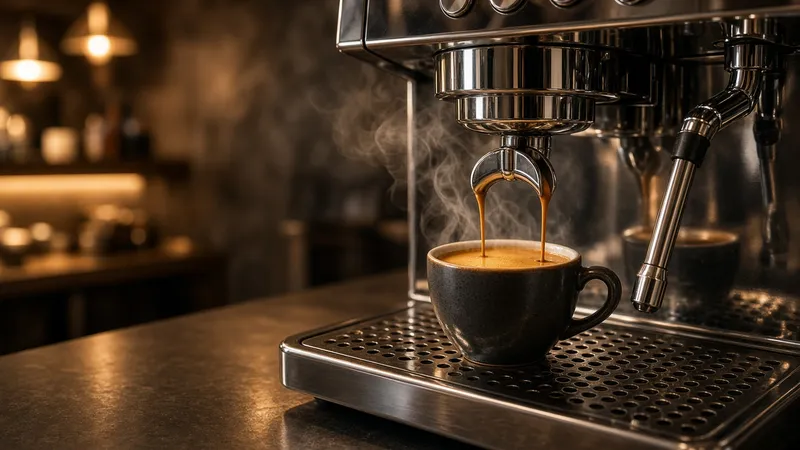
Espresso machine types and heating systems explained
Manual, semi-automatic, automatic and super-automatic, plus boiler types.
 Buying guide
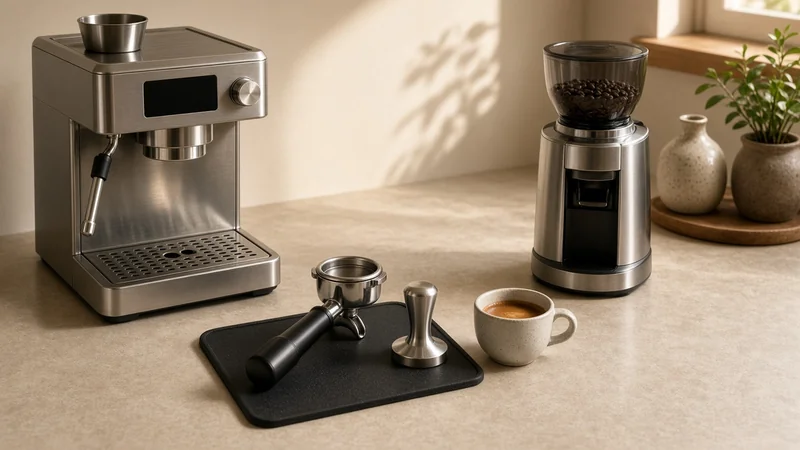
Beginner espresso: setup, dial-in and milk workflow
Realistic first setups from maker specs, with budget splits that do not starve the grinder.
Hub intros summarize category trade-offs from public references; article pages carry the detailed specs and sources.